

Travel essentials for trekking: a gear checklist for Himalayan treks
Travel essentials for trekking in India: layering system, footwear, rucksack, water, first aid and altitude basics for Himalayan and Western Ghats treks.
By TravelGearly Editorial TeamUpdated
Quick answer
The travel essentials for trekking are a layering system (base, insulation, waterproof shell), broken-in trekking shoes with good grip, a 40–60 L rucksack with a rain cover, water and purification, sun protection, a headlamp, a first-aid kit and snacks. On high-altitude treks, add warm accessories and plan acclimatisation days.
Trekking packing is different from normal travel packing. Everything goes on your back, weather changes fast, and there is nowhere to buy what you forgot. These travel essentials for trekking are built around one idea: layers you can add or remove, and nothing you don’t need.
Many operators in India supply tents, sleeping bags and meals for group treks. Check what’s included before you pack those.
The layering system
Instead of one heavy jacket, wear layers you can adjust as you climb and stop.
| Layer | What | Why |
|---|---|---|
| Base | Quick-dry T-shirts; thermal top and bottom for cold nights | Moves sweat away from skin |
| Insulation | Fleece; down or padded jacket for high camps | Traps warmth when you stop |
| Shell | Waterproof, windproof jacket (and rain pants in monsoon) | Keeps rain and wind out |
| Legs | Quick-dry trek pants (avoid jeans) | Dry fast, move freely |
| Accessories | Sun cap, woollen cap, gloves, buff or scarf, woollen socks | Heat is lost fastest from head, hands and feet |
Cotton stays wet and cold. Choose synthetic or wool layers for anything worn while walking.
Trekking essentials checklist
Carry and footwear
- Rucksack, 40–60 L, with hip belt and rain cover — see travel backpacks
- Small daypack if you have porters or mules for the main bag
- Trekking shoes with ankle support, already broken in
- Camp sandals or light shoes
- Gaiters for snow or muddy trails
- Trekking poles — they take load off your knees on descents
Water and food
- Two 1 L bottles or a hydration bladder
- Water purification: a filter bottle, tablets or drops
- Energy snacks: dry fruit, chikki, bars
- ORS sachets
Protection
- Sunglasses with UV protection (essential on snow)
- Sunscreen SPF 50 and lip balm with SPF
- Headlamp plus spare batteries
- Power bank — solar charging is unreliable in cloud and shade. See power banks
Health and safety
- First-aid kit: plasters, blister pads, crepe bandage, antiseptic, pain relief
- Personal medicines and a copy of prescriptions
- Altitude medicine only if your doctor recommends it
- Whistle and emergency contacts on paper
- ID (some treks and regions check it at entry points)
Camp
- Quick-dry towel — see travel accessories
- Toilet paper, trowel or the operator’s toilet system, small trash bags (carry your waste out)
- Wet wipes and sanitiser
Altitude basics
Above about 2,500 m, the body needs time to adjust. Gain height gradually, drink water, avoid alcohol, and descend if symptoms like severe headache, confusion or breathlessness at rest appear. For high-altitude road trips, see our Ladakh packing list.
Keep the pack light
Weigh everything before you go. The luggage weight calculator helps you see where the kilos come from. Our how to pack light guide applies to treks too: one set to trek in, one to sleep in, and layers for cold.
Want a checklist you can tick off and print? Use our trekking essentials checklist. For shoes, poles, headlamps and layers, see the trekking gear buying guide. To get a list for your exact trek region and month, open the packing list generator and choose “Trekking”.
Turn this into your own checklist
Answer seven quick questions and get a checklist you can tick off, edit and print.
Build my packing listGear that helps

Boldfit High-Neck Anti-Skid Trekking Shoes
Trekking Gear
- Good for
- Himalayan treks, Snow and scree
Size, specs and price can change — check the listing before you buy.
Check price on Amazon.in (opens in a new tab)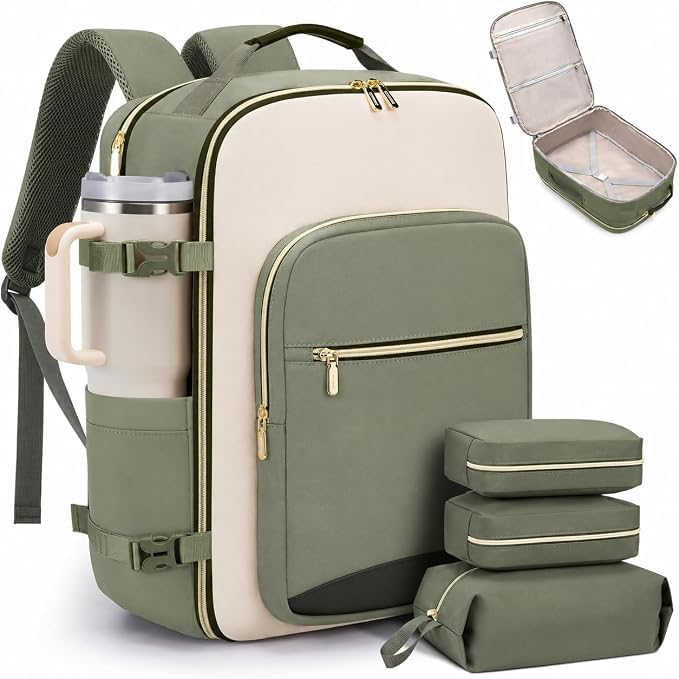
RNAZLIS 40L Carry-On Travel Backpack with 3 Packing Cubes
Backpacks
- Good for
- One-bag travel, Week-long trips
Size, specs and price can change — check the listing before you buy.
Check price on Amazon.in (opens in a new tab)Some links on this website are affiliate links. If you make a purchase through them, we may earn a commission at no additional cost to you. Read our affiliate disclosure.
Frequently asked questions
What should I carry for a 5-day Himalayan trek?
Are sports shoes okay for trekking?
How heavy should my trekking backpack be?
We research travel essentials for Indian travellers using official guidance (airlines, BCAS, IATA, tourism boards), manufacturer specifications and our own packing frameworks. We do not publish invented reviews or ratings. Read more about how we research.