

Boldfit High-Neck Anti-Skid Trekking Shoes
Trekking Gear
- Good for
- Himalayan treks, Snow and scree
Size, specs and price can change — check the listing before you buy.
Check price on Amazon.in (opens in a new tab)
Trekking
Everything to carry on a trek in India — tick items off as you pack, add your own, and print it. Then see what to add for monsoon, snow and high-altitude treks.
The trekking essentials are broken-in trekking shoes, a 40–60 L rucksack with a rain cover, layers you can add and remove (quick-dry base, fleece, insulated jacket, waterproof shell), two litres of water with a way to purify it, a headlamp, sun protection, a first-aid kit and your ID. Many Indian trek operators provide tents, sleeping bags and meals — check before you pack them.
0 of 0 packed
| Trek type | Typical season | Add to the checklist |
|---|---|---|
| Day hike | Any season, below the snowline | Daypack, 1–2 L water, snacks, rain jacket, headlamp, basic first aid. No camping or cold-weather gear. |
| Summer Himalayan trek | May–June, September–October | Full layering system — nights at camp are cold even in summer. Sun protection for high meadows. |
| Monsoon trek | July–September (Western Ghats, Valley of Flowers) | Rain shell and rain pants, gaiters, quick-dry everything, dry bags, leech socks or salt, spare socks. |
| Winter snow trek | December–March | Waterproof boots, gaiters, microspikes (often rented), heavy insulated jacket, waterproof gloves, category 3–4 sunglasses. |
| High-altitude trek | Above about 3,500 m | Acclimatisation days, extra warm layers, insurance covering altitude, and a doctor’s advice on altitude medication. |
Trek operators and gear shops in base towns like Manali, Dehradun, Leh and Rishikesh rent most gear. Buy what has to fit you.
Trekking Gear
Size, specs and price can change — check the listing before you buy.
Check price on Amazon.in (opens in a new tab)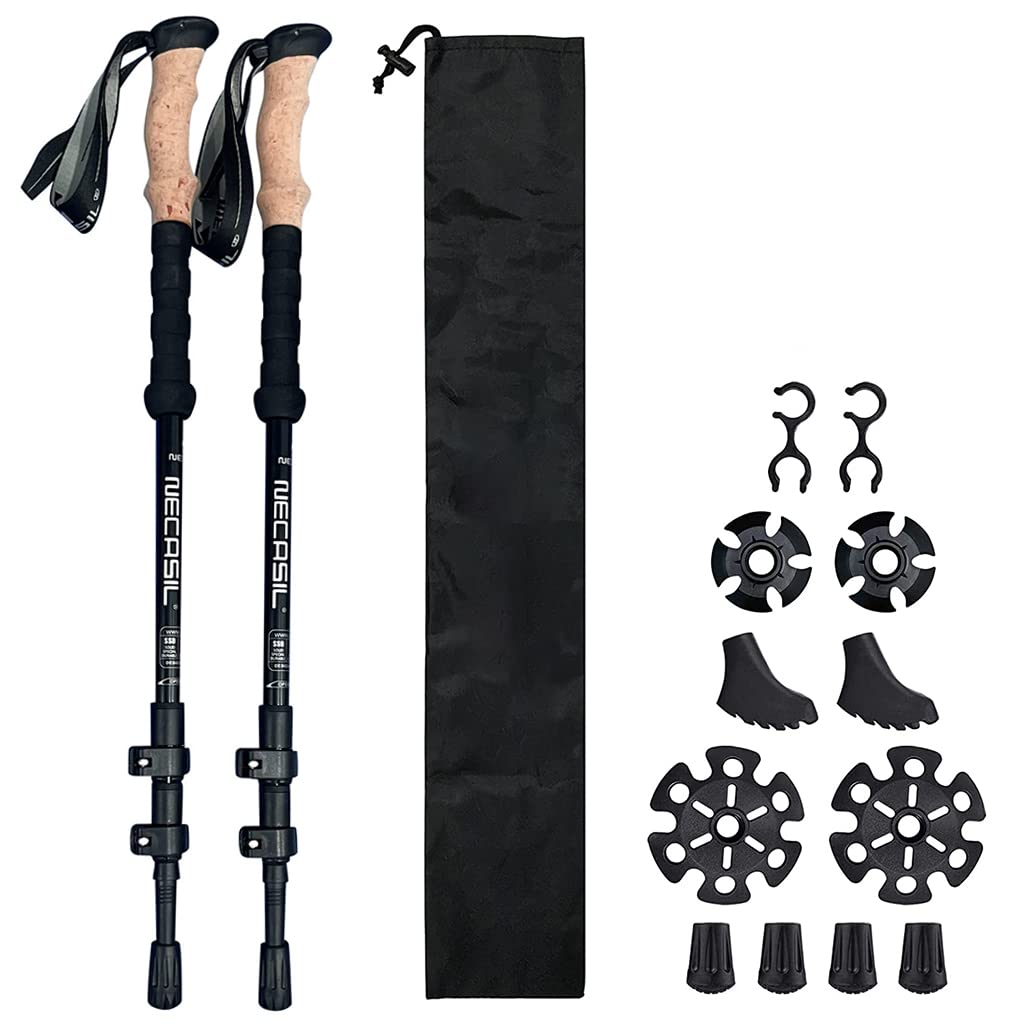
Trekking Gear
Size, specs and price can change — check the listing before you buy.
Check price on Amazon.in (opens in a new tab)
Trekking Gear
Size, specs and price can change — check the listing before you buy.
Check price on Amazon.in (opens in a new tab)Some links on this website are affiliate links. If you make a purchase through them, we may earn a commission at no additional cost to you. Read our affiliate disclosure.
Travel Essentials
Travel essentials for trekking in India: layering system, footwear, rucksack, water, first aid and altitude basics for Himalayan and Western Ghats treks.
Updated
Packing Guides
Ladakh packing list for road trips and bike trips: layers for cold nights, strong sun protection, altitude health basics, permits and power for remote stretches.
Updated
Packing Guides
Manali packing list by season: layers for cool summer nights, rain gear for the monsoon and full winter clothing for snow — plus Rohtang and road trip tips.
Updated
Travel Gear
How to choose a travel backpack: what capacity you need, cabin-size limits, clamshell vs top-loading, fit, weight and features that matter for trips from India.
Updated